

When she was young, Ebony Talley joked she always had her hands full with either books or worms. She was fascinated with how the world worked at the tiniest levels.
“I knew very early on that I was a big science nerd,” she said. “No one was surprised to see where I landed.”
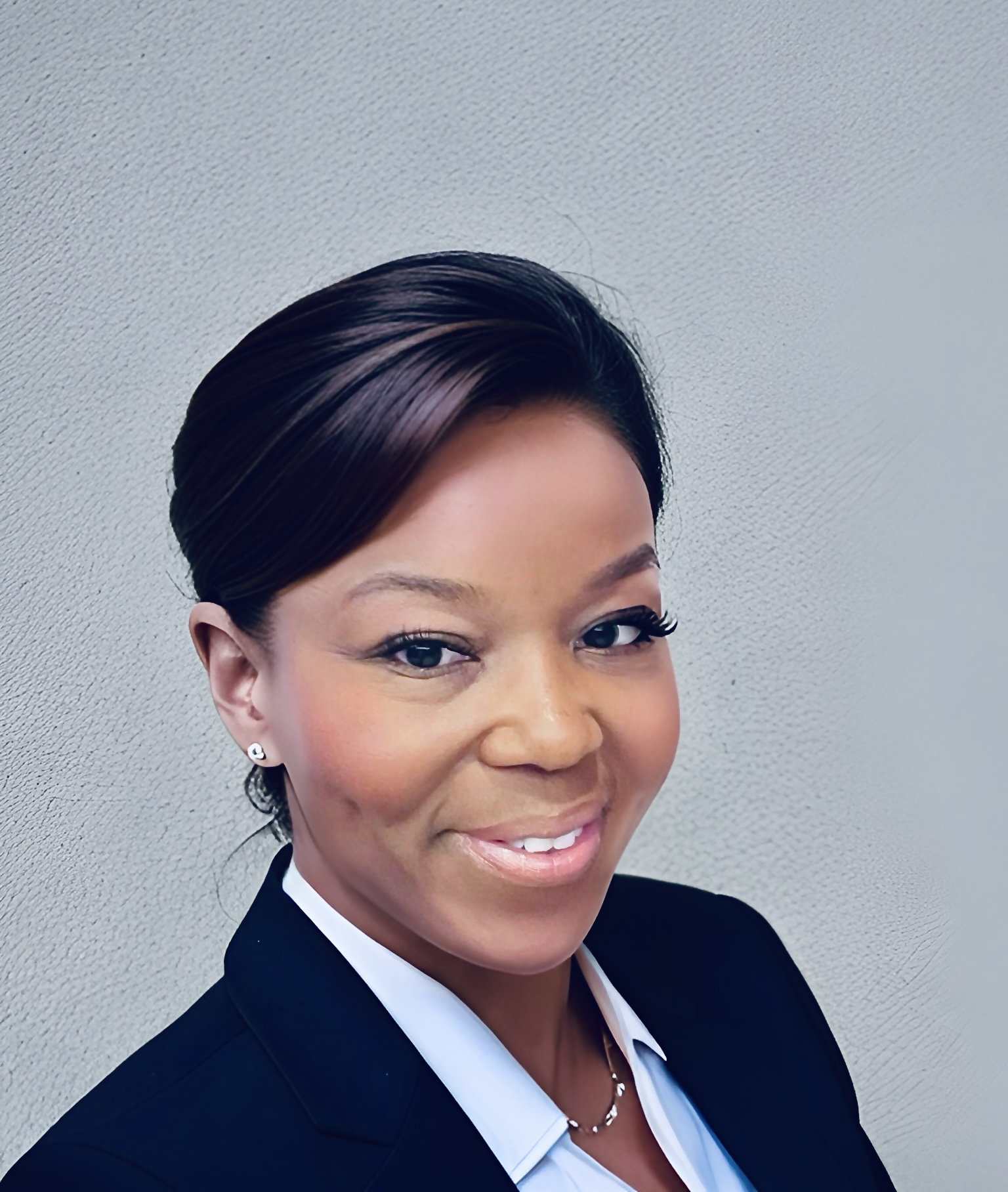
Talley grew up in Chicago but headed to Louisiana for college, eventually graduating with a master’s degree from Tulane University School of Public Health and Tropical Medicine.
“Initially public health was not my path,” said Talley, who now teaches at UCLA Extension when not performing her day job as an assistant medical center administrator for Kaiser Permanente. “But I wanted to do something in the science field, and about halfway through school I fell in love with microbiology and infectious disease.”
Her first job was as an epidemiologist with Harris County Public Health and Environmental Services in Texas. She later transitioned to infection prevention at hospitals.
“I feel like public health was tailor-made for me – where I could flourish and be challenged,” she said. “I don’t like to be bored. I don’t like rote or repetitive things. And if you know anything about epidemiology and infection prevention, no two days are the same.”
Talley has seen a lot since graduating. She entered the workforce amid swine and bird flu scares. She dealt with similar situations involving SARS and MERS. And then the COVID-19 pandemic took things to another level. Helping saving lives is a driving force for her since she battled a nasty bout of the flu herself in college.
“It really opened my eyes because it is so awful, and it can be life-threatening. But it is also super preventable,” Talley said. “I think most people take polar opposite approaches to healthcare. Either they are really hyper vigilant, or they are just kind of hands off. I see this personally even with my family. But helping people is important to me. And there are things we can do every day to help ourselves.”
Below she talks with UCLA Extension Newsroom about the current influenza season and preventative measures:
What is going on with the current flu season?
We usually look at flu season from October to May. That's when we see the uptick in cases. We knew it was likely going to be a challenging season because of the information that we had received from Australia, which is on the opposite end of the seasonal spectrum. They had a really tough season. And there is a new strain which is causing some concern: H3N2.
Everything starts with flu-like symptoms. Generally, flu season runs concurrently with RSV season. We see a lot of those cases as well. And now we also have COVID. So, sometimes the uptick is actually a combination of those two or three things at the same time, which is quite awful, but it can happen.
Because we have this new strain, yes, we are seeing a heavier, more robust flu season.
And we are not seeing the same levels of vaccination or immunization. We don't have as much protection.
What are a few tips for flu prevention?
One of the things we say all the time when we are doing education around infection prevention in the acute care setting is, “Your mother was right.”
The single most important thing you can do to prevent the spread of infectious disease is wash your hands. We learn this as children. There have been published papers now that prove that children who wash their hands become adults who wash their hands. But lots of people haven’t developed these really simple and fundamental habits. And I’m not talking about just laymen. I’m talking about health professionals. We have a lot of people who really take it for granted.
Imparting something so simple can help save a lot of lives.
Obviously if you're sick, don't go out and don't go around people. If you're going to have to be out, recognize that large droplets will be expelled and dropped to the floor within three feet of you. Wear a mask. It’s not just sneezing and coughing – people don't realize those droplets can come out just by laughing and talking.
Most people don't think about indirect contact. You're sick, you cough on your hand, you touch a doorknob. You walk away, you're fine. The next person comes, touches the same doorknob, and then rubs their eyes. I think they say a healthy person touches their face more than 200 times a day.
Is there any other topic on your radar?
Something that we're not talking enough about is the waning immunization rates. There's a resurgence of measles and other vaccine preventable diseases that we had a handle on and are now losing that foothold because of the changes in how we approach immunization. It's really concerning.
Can you talk at all a little bit about what you teach at UCLA Extension?
I am an epidemiologist, but I've also been an infection prevention professional for almost 25 years at this point. I teach Applied Epidemiology for Infection Prevention and Control Professionals. It's really robust programming that starts you off with the foundations of epidemiology through infection prevention, along with basics through workplace safety information.
To comply with state regulations, every hospital now has to have people on site that help them to reduce these infections, and those are the infection prevention professionals. You need the training to do this job. It’s a really good position to have if you have a passion for safety and preventing infections.
One of the leading causes of death in adults is healthcare injuries. And a lot of those are infection-related – you go to the hospital because you broke your arm and you leave with a bloodstream infection. The hospital is responsible. They gave you this infection.
How do we make sure that doesn't happen again? How do we prevent that and lower that risk? Everybody on some level either starts their life in a hospital, ends up in a hospital during some point in their life, or ends their life in a hospital, we all have that increased risk if we don't address this. That's why most states have someone in place to address those concerns.


