

One of Hamy Sharifi’s key memories as a child was going to the bank with his parents.
“I remember being in awe as I walked into the bank surrounded by so many customers,” he recalled. “Something sparked my curiosity about how these individuals in suits were helping clients.”
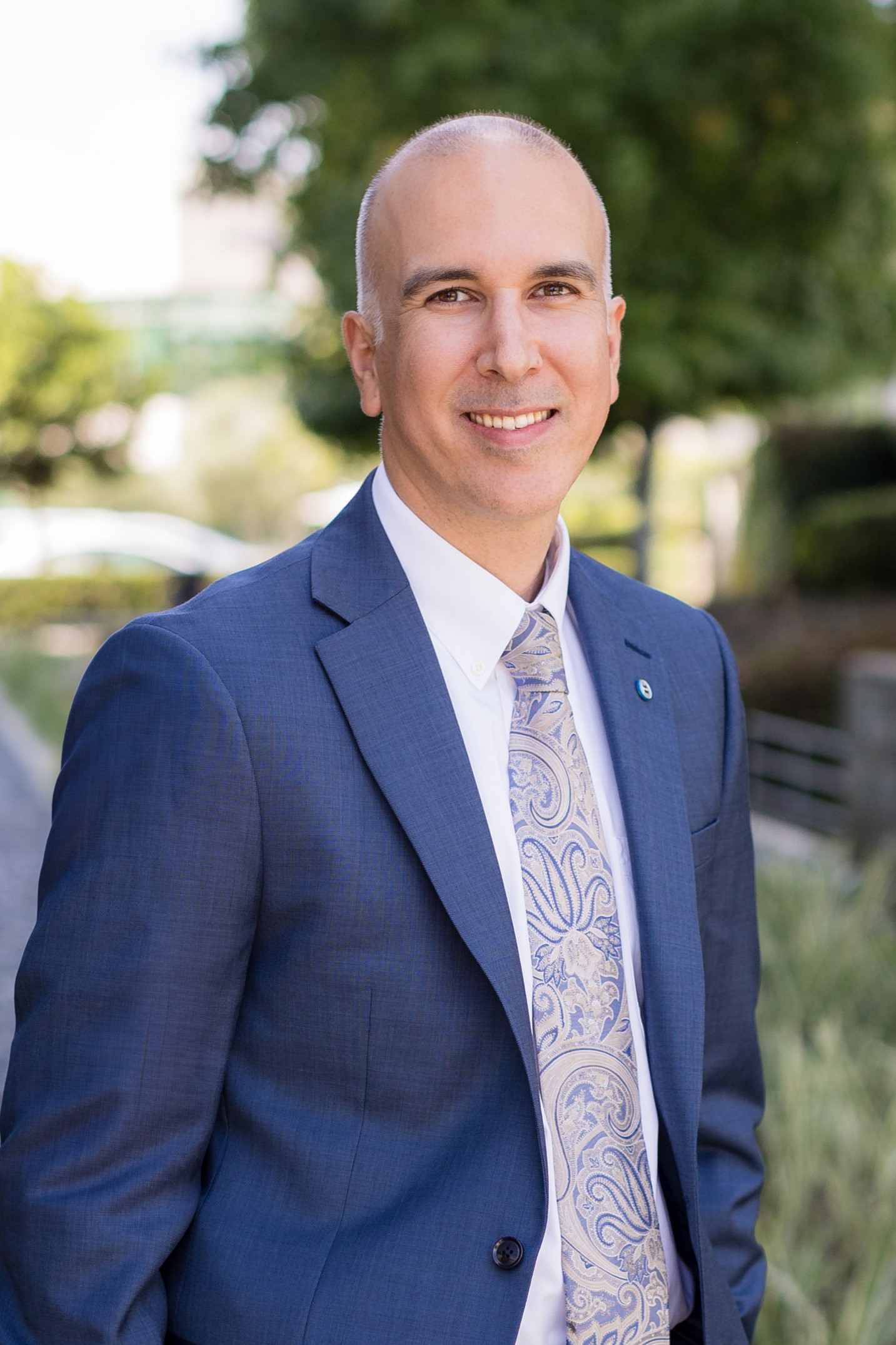
Sharifi grew up in Southern California after his parents immigrated from Iran to the U.S. to pursue college. His mother, who worked in the financial services industry as an accounting manager, was a big influence. Sharifi also had a knack for numbers and loved working with people. His first job while attending college was as a bank teller, and he then transitioned into personal banking and commercial banking. For the last 14 years, he has worked in private banking with high net worth clientele, most recently for Bank of Montreal (BMO). He is a private wealth advisor and a certified financial planner professional.
Sharifi sees his role as a UCLA Extension instructor as a way to give back and stay involved in the local community. He teaches Survey of Personal Financial Planning, one of two introductory courses for UCLA Extension’s Personal Financial Planning Certificate.
“The Survey Course gives you the 10,000-foot view of all the subjects you’ll need to know in finance and wealth planning,” he added. “At the end of the course we do a case study where students will be able to apply what they’ve learned to a client seeking a financial plan.”
At noon on Sept. 4, Sharifi will help lead a free UCLAxOpen online seminar entitled Economic Update: Impacts on your investment and 401(k) portfolios. Below, he details to UCLA Extension Newsroom how people can consider their own personal financial narratives in turbulent economic times:
What should people keep in mind regarding their personal finances in the current economic landscape?
They should consider working with a financial professional to create a financial plan. I think there's a lot of things that are on people's minds right now – cost of living pressures, recession fears, inflation and geopolitical concerns. A plan can assess your risk tolerance, your goals and put everything together to create a roadmap incorporating both your short- and long-term financial objectives.
Once you have a plan in place, when there's volatility in the market, you can always look at that plan and point to it and say, “I’m still on track to meet my financial goals.” These financial plans are not static. They're always evolving based on the individual’s life stages: getting married, having children, planning for college or those unfortunate circumstances that also happen. So, it's just putting pen to paper and creating a roadmap so that they know throughout volatile life events that they're going to be OK. It creates that peace of mind.
Are there a few things people should keep in mind with their 401(k)s right now considering market uncertainty?
With tariffs and other geopolitical risks, markets have been up and down. Focusing on diversification, proper risk management and a long-term view on the markets will help to mitigate risk in your 401(k). Most people make mistakes when they make decisions based on emotion and viewpoints taken from short term market fluctuations.
Do you have advice on how to approach the topics of personal finance and investment for those people who have never considered them?
I believe one of the most important steps in building financial security is creating an emergency fund with at least six months of living expenses. Once you have that foundation in place the focus should shift to investing for the long term. Albert Einstein famously said, “Compounding interest is the eighth wonder of the world.” The earlier you start setting money aside the more powerful compounding interest becomes over the decades. By being consistent and disciplined when you’re younger you give your money the time it needs to grow and become a great nest egg for the future.
Starter tips for investing in the markets?
Start small and don’t rush. Set aside a fixed amount based on your current savings plan and open an investment portfolio at any banking or financial institution. You can consult an investment advisor to discuss investment options based on your risk tolerance, time horizon and investment objectives. Whatever you can put away, even if it's just $50 every two weeks, I think that's a good starting point. Then when you’re comfortable, you can start increasing that.
Why should someone consider getting into financial planning?
There's always going to be a need for individuals who are going to be client-facing because money can be an emotionally charged topic. Our feelings and past experiences heavily influence our financial decisions. Having somebody sit down with you, whether it's face-to-face or virtually to give financial advice – that’s always going to be important. It’s a great career path.


