

For 70 years, the UCLA Extension Technical Management Program (TMP) has been helping some of the nation’s brightest minds become the leaders of today in their respective fields of expertise.
Colt McAnlis landed in the program in the early 2010s as a young video game developer at Blizzard Entertainment in need of some management pointers and ready to take the next step in his career.
“I kind of saw immediately where I was lacking as an engineer and what I needed to change to move into a leadership position,” he said.
After completing the program, McAnlis frequently recommended TMP to his peers. In 2017, he went one step further and joined the TMP instructor team. His class, “Card Games for Soft Skills,” is one of the most popular courses.
“I still thumb through the notes and information that my instructors provided over a decade ago,” he said. “The information I learned at TMP is still valid today.”
TMP was developed in 1955 by UCLA Professor Ralph M. Barnes, who held a joint appointment in business administration and engineering. He saw the need for short courses to provide knowledge and skills that technical professionals need when moving into managerial roles. The program was originally called the Engineering and Management Program, but to further broaden its umbrella of participants it was later renamed to TMP. It continues to use the same format that Barnes initiated years ago.
“He was ahead of his time,” said Joon Lee, TMP program director. “He realized technical people also need leadership and management skills – those soft skills.”
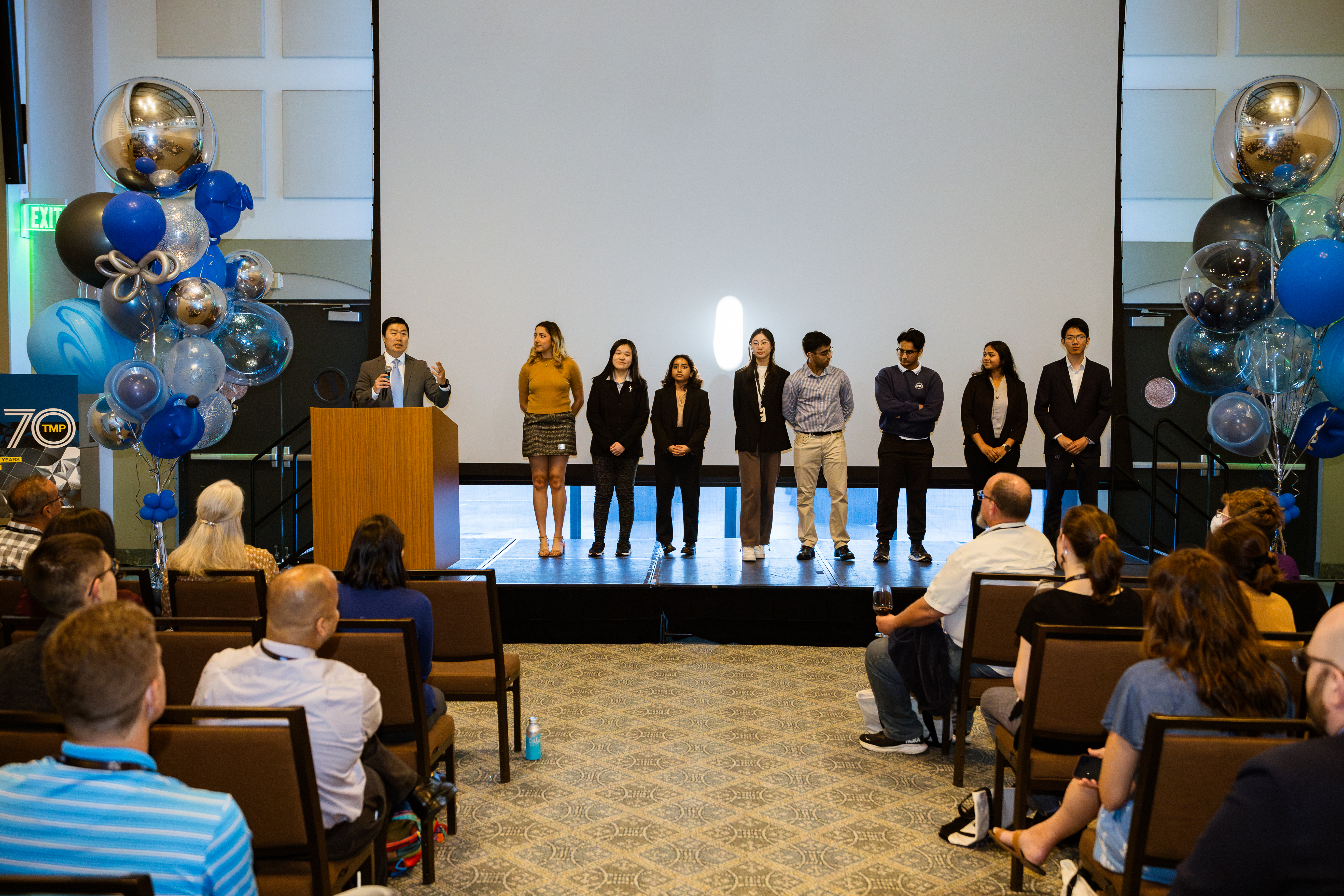
TMP serves physicists, engineers, IT professionals, technical staff, data scientists, game designers and more. The program is aimed at beginner to mid-level managers. Recent clients include Lawrence Livermore National Laboratory, Nevada National Security Site, Sandia National Laboratories, Blizzard, Honeywell FM&T and DIRECTV. Through the years, widespread word of mouth has kept classes full.
There are no quizzes or tests. TMP provides professional development and hands-on experiential training. Participants enhance their interpersonal skills; obtain a repertoire of methods to solve problems; plan strategies; motivate colleagues; and network with attendees from around the world. There are two sessions per year – in the spring and fall – enrolling about 100 students per cohort. Each professional takes four classes each day over the course of a week.
“You encounter real life situations that you practice and then you can bring these tools right back into the workplace,” Lee added.
A secret to its success is that TMP has an advisory board with STEM participants to ensure classes are new, fresh and stay ahead of the curve.
“We pivot based on our advisory board’s recommendations and what is going on in the world,” Lee said. “That’s why we have been so relevant to this day.”
Kathryn Rumohr, a senior engineering manager at Blizzard, was a member of the most recent TMP cohort.
“I felt very, very lucky to be picked to be sent to this program,” she said. “It was exciting to be able to spend a whole week on just leadership training. No matter how long you’ve been a manager there are always new tools and new things you can learn. I definitely feel like I got exposure to new things.”
Shortly into the “Asking the Right Question” class, Rumohr had an epiphany.
“I remember after the first day of class I immediately wished I had taken that class about three weeks before, because it would have helped me in some situations at work where asking open-ended and intentional questions would have been very beneficial for everyone involved,” she said.
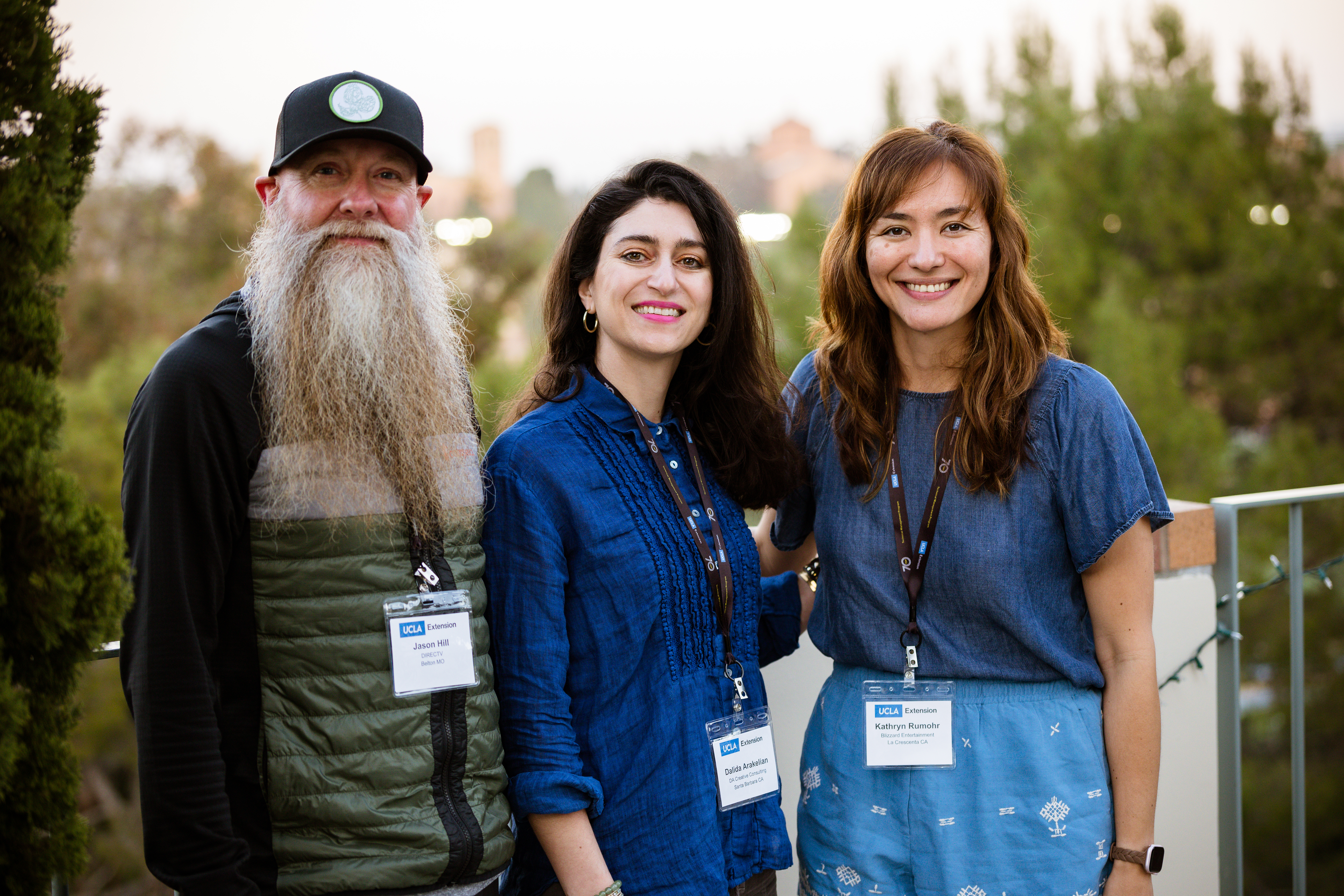
Jason Hill, a senior director at DIRECTV, said he wasn’t entirely sure what to expect from TMP, but that his time in the Spring 2025 cohort exceeded his expectations.
“Each one of the classes was different in many ways but also they all tied into the philosophy of helping people out and being effective in your job and your role,” Hill said.
He took McAnlis’ “Card Games for Soft Skills” and enjoyed the immersive quality.
“That was a real high energy class that was well-focused on dealing with everything that comes at you every day at 100 mph – like having to pivot, refocus and deal with resource constraints,” he said.
McAnlis was born and raised in Las Vegas and was inspired by his hometown’s gaming culture to come up with something that could effectively teach students at TMP. How do you negotiate salary? How do you navigate the chaos a reorganization brings? How do you deal with interpersonal politics at the office?
“You can read as many books as you want on these topics, but you can’t learn how to get better unless you’re actually performing those activities,” McAnlis said.
The card games allow students to sit down and practice scenarios. They stop being managers and start being game players, and at that moment they are freer to be constructively critical in a way they may not feel comfortable doing at work.
“This is not a one-and-done operation. You can sit down and play with the same people five times and have it go differently every single time,” McAnlis added.
TMP promises students a focused college setting away from the daily politics of the office and where they can learn in a safe environment. It has been doing so for 70 years.
“This is a program that is unique in its space. As engineers and technical practitioners, we focus so much on our craft that we negate a lot of these learnings from business and leadership perspectives until later in our career,” McAnlis said. “Soft skills are some of the most important things we need to develop as engineering managers, and this is probably the most difficult skill set to learn in your career.”
For more information, visit the Technical Management Program Home Page.


