

When students join the inaugural UCLA Extension Design Arts Premium Studio taught by Lisa SVAN, they will be receiving the opportunity to pick the brain of a lauded expert in her field who has traveled the world working on the architectural concept of IKEA, the VIP lounges of BMW and the skyline of Beijing. SVAN will ask them to think differently in a setting that will emphasize creativity and humanity.
The Premium Studio experience promises that SVAN and other unique professionals in the fields of architecture and interior design, landscape architecture, and spatial and creative fields will give unparalleled access from experts who have not lent their perspectives to the classroom up until now.
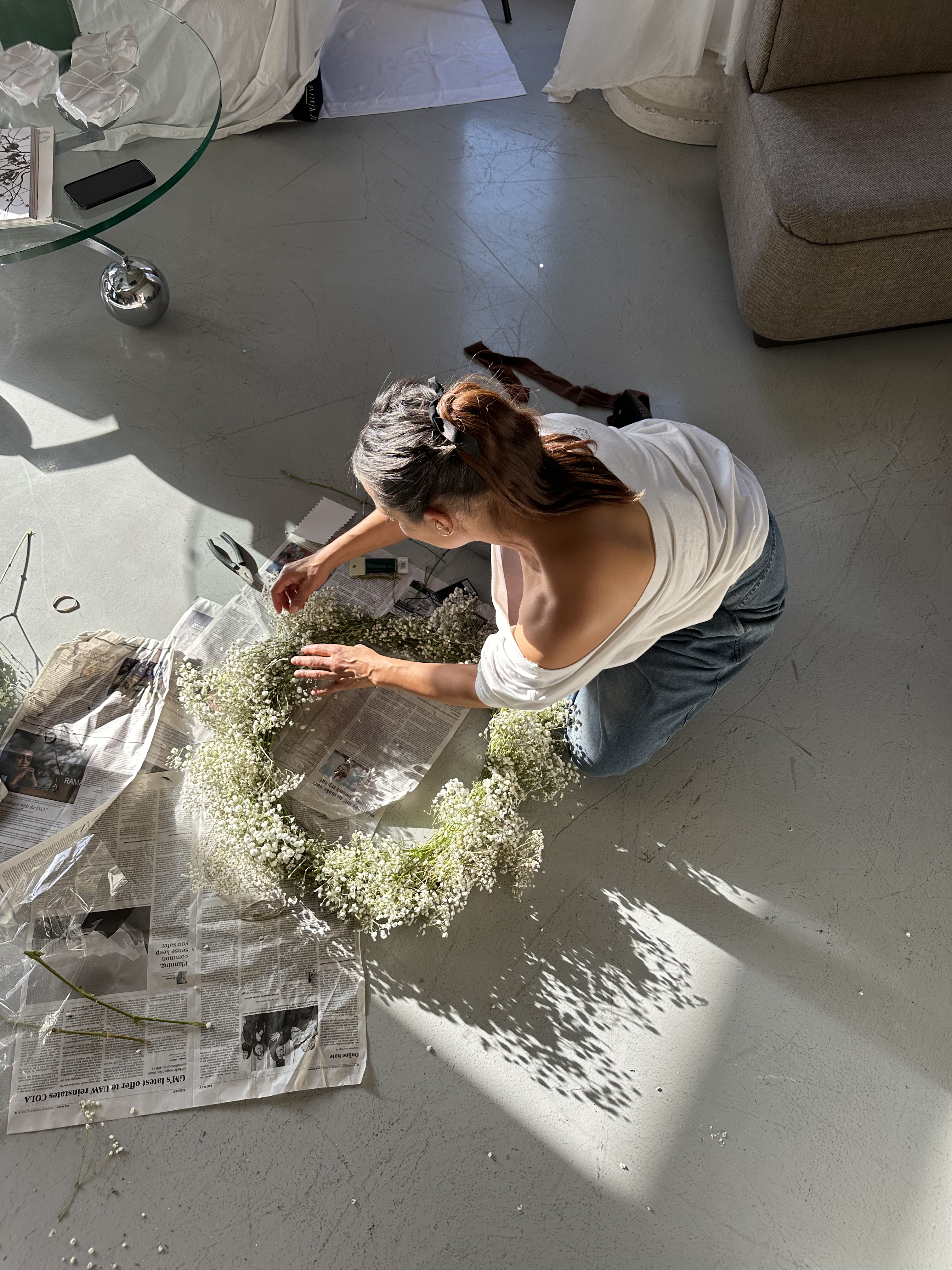
“In a traditional school setting they teach you the practical stuff – you will have learned all that, they will have slammed it in your face immediately. This is why I chose UCLA Extension,” SVAN said. “The creative process, how to discuss creativity and reach a real result, that is where I can step in.”
There will be one Premium Studio per academic quarter. Each will take place over four sessions that include intensive studio sessions, collaborative discussions and personalized feedback. Class sizes are intentionally capped for intimacy. Students will be recruited from architecture professionals, interior designers, urban designers, creative directors, experience designers, real estate professionals, educators, and creative entrepreneurs.
The Premium Studio is intentionally designed as a boutique learning experience – small, focused and deeply engaged with the subject matter,” said Kimberly Velazco, director of the Design Arts portfolio at UCLA Extension. “What makes it distinctive is the level of access students have to the instructor, including mentorship and individualized guidance, while learning alongside a cohort of creative professionals who bring their own experiences and perspectives into the studio. It creates the kind of intimate, collaborative environment where ideas can be explored more deeply, and meaningful professional connections can take shape.”
SVAN’s course is The Loveliness Model. It begins on Oct. 6 and will take place at UCLA Downtown. Alvin Oei, a senior design manager for Disney Consumer Products, is slated to teach in spring 2027. The third Premium Studio will tackle sustainability and biodiversity later next year.
“Premium Studio is emphasizing topics you can’t get anywhere else,” Velazco said. “We have very unique practitioners and designers that bring a different level of perspective on whatever the topic is.”
Courses are open to anyone, not just students already enrolled in certificate programs. Students are encouraged to bring their own real-world projects and interests into the classroom.
SVAN said she is looking forward to exploring the differences between what is typically taught in the United States, and what she has learned from growing up in Sweden and being educated in Denmark. She has experience in fashion, interior and architectural design. Her time in Copenhagen shaped her outlook and ignited her creation of the loveliness methodology.
“We are producing more than just architecture and square footage,” she said. “We are actually giving a foundation for human connections – for human experience. That is what architecture is actually about. When we choose to design, whatever it is, it has an intention and a loveliness value. The reason you pick a space or what you exaggerate in that space is to make people feel something.”
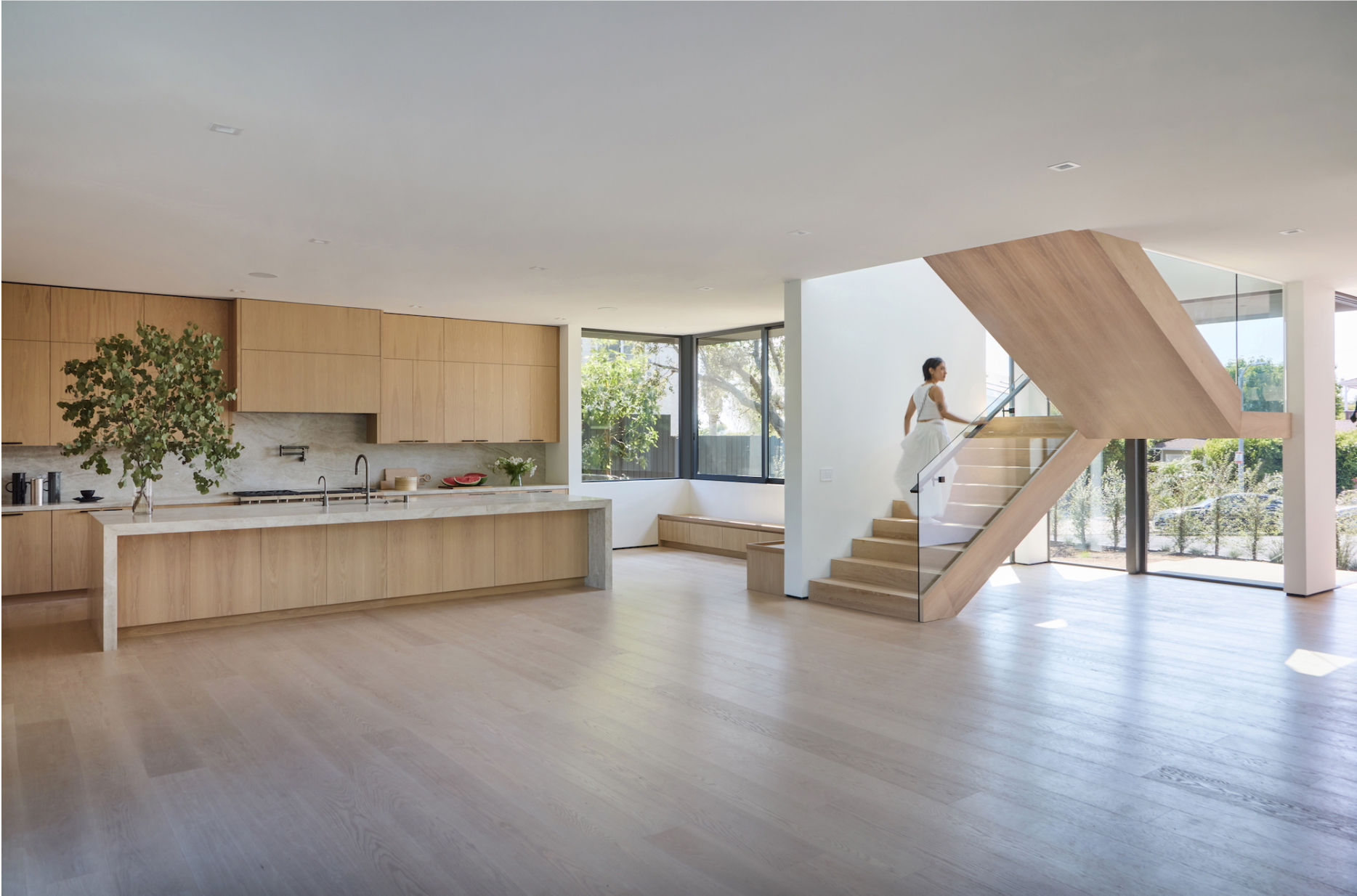
Loveliness is the translation of the Danish word herlighedsværdi. It previously had no known translation into English until Svan put forth her interpretation.
The scale may change — from a pair of socks to a sofa, a home, or a fifty-story building — but the question is the same,” she said. “We work from a holistic perspective. You begin with the person: What do you want them to experience?”
If someone is designing on a hill, the view may be the Loveliness Value. If the project is organized around a park, the question becomes: How does one use light, movement and access to make that amenity part of the everyday experience?
“You build outward from the person,” she said.
These classes are meant to be hands-on and immersive in a world that has gone increasingly digital.
“AI can give you information. Google can give you references,” SVAN said. “But neither can tell you how to think, what matters or what your perspective is. How I connect the dots can’t be found on the internet. You can’t Google creativity.”


