

Rebecca Yarros’s “Empyrean” book series promises readers they will enter a “brutal and elite world of a war college for dragon riders.” The books include elements regarding war, battle, hand-to-hand combat, perilous situations, blood, intense violence, brutal injuries, death, poisoning, graphic language and sexual activities.
It is a gateway into the romantasy genre, and readers proved as much when they purchased 2.7 million copies of the third book in the series, “Onyx Storm,” in its first week of release last year, further cementing romantasy as one of the most popular literary genres in the world.
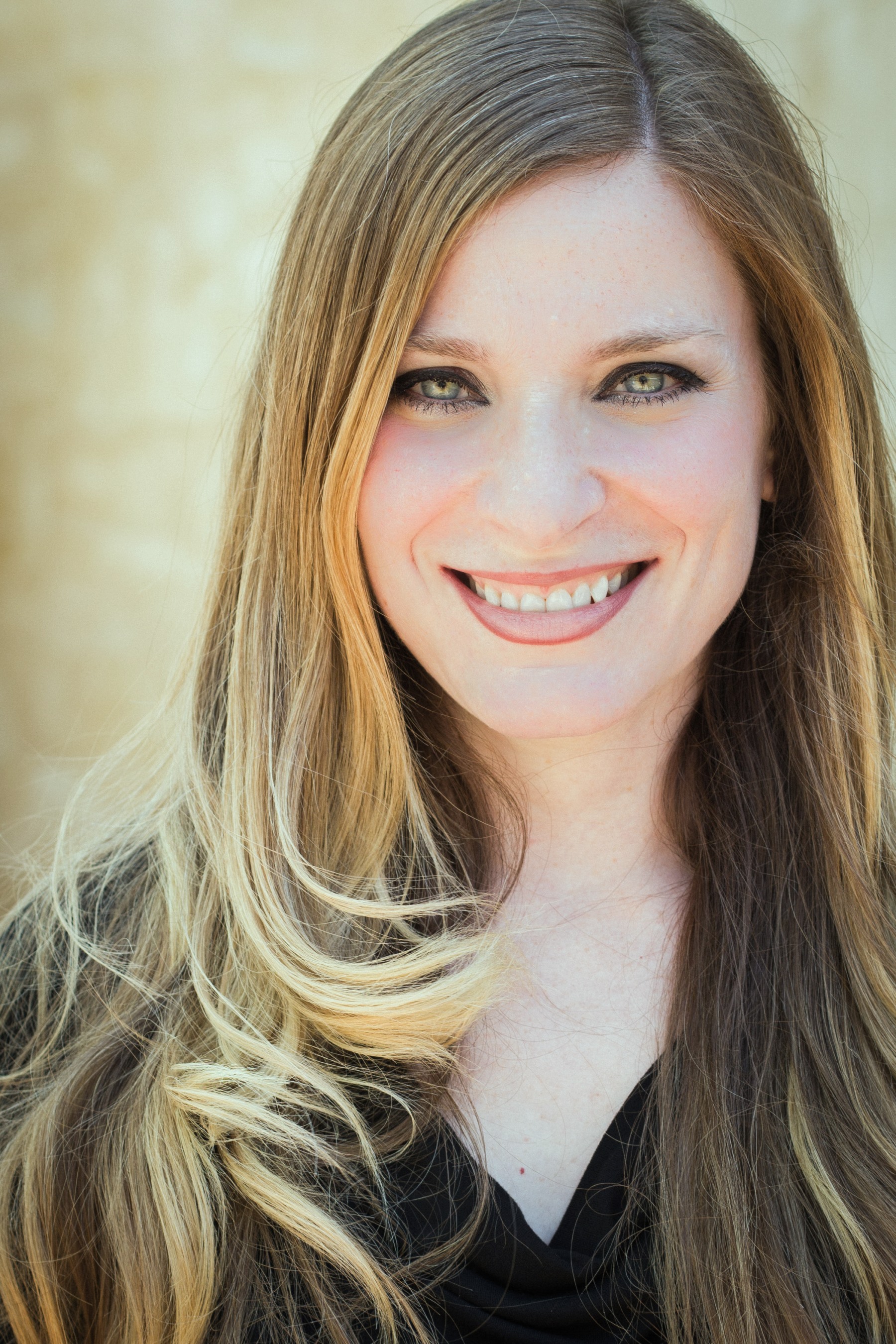
“It is hard to argue with those numbers,” said Jeanne De Vita, who teaches the Romantasy Writers Workshop at UCLA Extension. “This is a hot genre. The international market is very interested so it’s not just an American phenomenon either.”
To meet the demand of readers and writers alike, De Vita developed the workshop about a year ago. By definition, romantasy is a broad term that encompasses the continuum of fantasy sub-genres while including a core central romance.
“It’s difficult to define because there is no authority that clearly provides a definition for the genre,” De Vita said. “Romantasy is often mislabeled.”
According to De Vita, romantasy is not new, even if the label is. Early genre favorites began popping up in the 2010s as e-books and self-publishing took off. It didn’t fully coalesce around the romantasy naming until 2020, but has become part of the popular vernacular with both publishers and readers since.
“It all sort of aligns with the post-pandemic rise in people writing about something that is completely invented. We control all the puzzle pieces that make these universes work. And romance has always been a genre that can tackle trauma, politics, economics, gender – all the big stuff. Which is why I think it is an underappreciated genre,” she said. “In romantasy, you can put vampires, werewolves and magic in a book, and now these very dire serious real-world issues, they’re not as threatening. We feel safe engaging with the topics, and we promise our readers a solution, which is harder to accomplish in the same ways in contemporary or historical fiction”
De Vita is uniquely situated to teach the Romantasy Writers Workshop. She grew up in Chicago and eventually earned an MFA in creative writing at the University of Notre Dame. She has worked in the publishing industry for almost 15 years, including as a developmental editor in acquisitions, a copyeditor and a literary agent.
“I’ve worked across the publishing spectrum,” she said.
De Vita began her teaching career as a graduate student teaching First Year Writing to undergraduates. She also taught at community college before settling in at UCLA Extension for the last 10 years.
“I have always loved teaching,” she said. “The effective classes for me when I was a student were the classes that taught practical application. When I teach, I want to make sure the experience is about much more than me in front of the class just delivering content.”
De Vita and her UCLA Extension Writers Programs colleagues recognized that a course focused on both fantasy writing and romance structure would fill a need for romantasy writers that could go a step beyond the courses already offered in the catalogue.
“We wanted to build a course that could address the entirety of the genre and all its variations,” De Vita said. She includes monster romance, fairy tale retellings, steampunk, fantasy-forward romantasy and popular titles on her approved reading list.
The Romantasy Writers Workshop focuses on how to create a fictional universe, with the proper character arcs, story beats and pacing so the writer understands how to balance both the fantasy world-building and the romance beats in their novel.
“We also spend a lot of time on structure. I create exercises, worksheets, quizzes and reading discussion prompts. We examine the term stakes and make sure students get practice identifying stakes in other books and developing them in their own,” De Vita said. “We want writers to feel really confident building these things into their book. And then we write and give each other feedback, which is really inspiring and fun.”
The genre is worth an in-depth dissection – the devil really is in the details.
“Romantasy is more than what people label it. They can be quite dismissive,” De Vita said. “But this genre takes on timely topics. Romantasy can be a great place to explore all sorts of issues – gender dynamics, social issues, power structures, economics and intimacy. Really talented people are writing in this genre, and I am so proud to be part of the romantasy writing community.”
